
Choosing a unique folding knife for a personal collection is about more than finding an attractive blade. Collectors often look for craftsmanship, distinctive materials, interesting designs, and details that make one knife different from another. If you are exploring handmade options, the JWSteelCrafts ready-to-ship collection is a useful place to discover handcrafted folding knives and other distinctive blades that are already available.
A good collectible folding knife should reflect your personal taste while also offering quality construction. Some collectors prefer Damascus steel, while others are drawn to engraved handles, unusual materials, traditional patterns, or limited-production designs.
The right choice also depends on how you plan to enjoy your collection. Some people display their knives, while others appreciate pieces that can also serve as practical everyday tools. Understanding the difference between appearance, craftsmanship, functionality, and collectibility can help you make a more informed decision.
What Makes a Folding Knife Unique for Collectors?
A unique folding knife usually has characteristics that separate it from ordinary mass-produced models. These characteristics can include unusual blade patterns, handmade construction, distinctive handle materials, detailed engraving, or a memorable design.
Collectors may also value the story behind a knife. A piece made by a skilled craftsman can have greater personal appeal because its construction, materials, and finishing process contribute to its individuality.
Distinctive Blade Design
The blade is often the first feature that catches a collector’s attention. A traditional drop-point blade can provide a classic appearance, while a clip-point, tanto, or other specialized profile can create a more distinctive look.
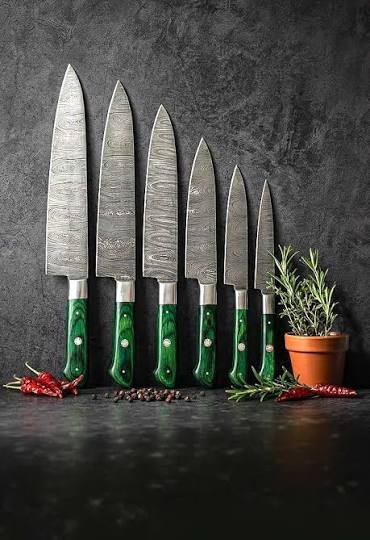
Damascus steel is another popular choice because its layered pattern gives each blade a visually recognizable character. The pattern can vary from one piece to another, making handmade Damascus folding knives particularly interesting to collectors.
The advantage of exploring ready-to-ship pieces is that you can evaluate actual completed designs rather than choosing only from a generic catalog description. JWSteelCrafts states that its ready-to-ship knives are already completed, inspected, photographed, and prepared for dispatch.
For collectors interested in seeing the exact design and details of an individual piece, the handmade engraved Damascus folding knife with brass handle is an example worth examining.
Rare or Unusual Handle Materials
The handle can transform an ordinary-looking folding knife into a standout collector’s piece. Wood, bone, horn, brass, resin, and other materials can produce very different appearances.
Natural materials are especially appealing because their grain, color, and texture can vary. This means two knives using the same general material may still have noticeably different appearances.
Handmade Craftsmanship
Handmade construction can add another layer of individuality. Small details such as engraving, polishing, handle shaping, hardware selection, and blade finishing can distinguish an artisan-made knife from a standard factory model.
For collectors, these details can be just as important as the blade itself.
How to Choose a Unique Folding Knife for Your Collection
Before buying, decide what you want your collection to represent. A clear theme makes it easier to compare different knives and avoid purchasing pieces that do not fit your interests.
Define Your Collection Theme
Your collection might focus on Damascus folding knives, traditional pocket knives, handmade blades, historical designs, engraved knives, or unusual handle materials.
A defined theme can help you build a collection with visual consistency while still allowing every knife to have its own character.
Consider Blade Shape and Style
Think about which blade profiles appeal to you. A classic shape may suit a traditional collection, while an unusual profile may work better if you want distinctive display pieces.
Also consider whether you prefer polished blades, patterned Damascus steel, engraved surfaces, or darker finishes.
Examine Handle Materials and Construction
Pay close attention to how the handle looks and feels. Check whether the scales appear properly fitted and whether the hardware is cleanly finished.
Materials such as wood and horn can provide a traditional appearance, while brass and resin can create a more decorative or contemporary style.
Look for Quality Craftsmanship
A beautiful knife should still have good construction. Examine the blade alignment, handle fit, lock operation, hardware, and overall finish.
Small imperfections may be part of handmade character, but poor construction is different. A collectible knife should demonstrate deliberate craftsmanship rather than simply attractive decoration.
Which Materials Make a Folding Knife Stand Out?
Material selection has a major effect on both appearance and collector appeal. The best material depends on your preferences, intended use, and collection theme.
Damascus Steel Blades
Damascus steel is popular among knife collectors because of its distinctive layered appearance. Each blade can display a unique pattern created during the forging process.
Beyond appearance, collectors often appreciate Damascus knives for their craftsmanship and traditional forging appeal.
Wood, Bone, and Horn Handles
Natural handle materials can make a folding knife feel more individual. Rosewood, walnut, bone, horn, and similar materials can provide different textures and visual patterns.
Because natural materials vary, they can add character to a collection where no two pieces look exactly alike.
Brass, Copper, and Decorative Materials
Metal handles and decorative components can create a more traditional or ornate appearance. Brass is especially useful when you want an antique-inspired aesthetic.
Decorative materials should complement the blade rather than overwhelm it. A well-balanced design generally has stronger long-term appeal.
How Blade Design Affects a Folding Knife’s Collector Appeal
Blade design is not simply about appearance. The profile, finish, and proportions can determine how a folding knife fits into your collection.
Traditional and Modern Blade Profiles
Traditional profiles can give a collection a timeless appearance. Modern profiles may be more suitable for collectors who prefer contemporary designs.
There is no universal best blade shape. Your choice should depend on the overall style you want to build.
Engraved and Patterned Blades
Engraving can make a folding knife more visually distinctive. Floral patterns, geometric designs, historical motifs, and other decorative details can turn a practical knife into a more recognizable collector’s piece.
Patterned Damascus blades offer another way to create visual interest without relying entirely on engraving.
Unique Folding Mechanisms
The locking mechanism is another feature worth considering. Liner locks, lock-back systems, and other folding mechanisms can provide different experiences.
Collectors should examine how smoothly the mechanism operates and whether it feels appropriately constructed for the knife.
Check the Knife’s Build Quality Before Buying
Collector appeal should never replace quality. Even an unusual knife should have solid construction.
Blade Lock and Opening Mechanism
Check that the blade opens and closes smoothly. The locking system should engage properly and feel secure when operated as intended.
A collector’s knife can be decorative, but reliable construction remains an important sign of quality craftsmanship.
Handle Fit and Finish
Look for clean transitions between the handle scales, bolsters, liners, and other components. Uneven gaps or poorly finished edges can reduce the overall appeal.
A well-made folding knife should feel cohesive when viewed from every angle.
Edge Quality and Blade Alignment
Inspect the blade from different angles. It should sit properly within the handle when closed, while the overall finish should match the quality expected from the knife.
These details may seem small, but they become increasingly important as you build a serious collection.
Handmade vs. Mass-Produced Folding Knives
Mass-produced folding knives can offer consistency and affordability, but handmade knives often provide greater individuality.
A handmade knife may feature natural materials, unique Damascus patterns, custom engraving, or other details that make the individual piece visually different.
This is one reason collectors often look beyond standard production models. The goal is not necessarily to find the most expensive knife. Instead, it is to find a piece that offers craftsmanship and character that you genuinely appreciate.
Why JWSteelCrafts Is Worth Considering for a Knife Collection
JWSteelCrafts offers a range of handmade knives with different blade styles, handle materials, and decorative finishes. Its ready-to-ship selection includes folding pocket knives featuring materials such as engraved brass, wood, resin, and Damascus steel.
For collectors who prefer distinctive designs, one example is the handmade engraved Damascus folding knife with a brass handle. Its combination of patterned Damascus steel, engraved detailing, and brass creates a classic decorative appearance that can complement a personal knife collection.
How Rarity and Limited Production Affect Collector Appeal
Rarity can make a knife more interesting to a collector, but rarity alone does not automatically make an item valuable.
Limited-Edition Folding Knives
Limited production can make a knife more desirable because fewer examples may exist. However, collectors should still consider craftsmanship, design, condition, and maker reputation.
Custom and One-of-a-Kind Designs
Custom knives can be particularly attractive because they may feature personalized materials, engraving, blade profiles, or construction details.
A one-of-a-kind knife can give your collection a stronger sense of individuality.
Discontinued Knife Models
Discontinued models can also attract collectors, especially when they have a recognizable design or connection to a particular maker.
Before buying one, research its history and confirm that the knife is authentic.
What Should You Know About the Knife Maker?
The maker behind a folding knife can be an important part of its appeal.
Research the Maker’s Background
Look for information about the maker’s craftsmanship, materials, design philosophy, and history.
A reputable maker should provide clear information about the knife rather than relying only on attractive photographs.
Check Craftsmanship and Customer Feedback
Reviews can provide insight into construction quality, finishing, customer service, and how the knife compares with its description.
Look for consistent feedback rather than relying on one or two opinions.
Look for Consistent Quality
If you plan to collect knives from the same maker, consistency matters. Examine several pieces to understand the quality and design standards.
How to Match a Folding Knife With Your Collection
A new knife should have a reason for being in your collection.
Traditional Knife Collections
Traditional collections benefit from classic blade shapes, natural handles, brass accents, and historically inspired designs.
Damascus Knife Collections
If Damascus steel is your focus, compare different patterns, handle materials, and blade shapes. This can create variety while maintaining a clear collection theme.
Hunting and Outdoor Knife Collections
Collectors interested in outdoor knives may prefer rugged designs and practical folding mechanisms.
Modern EDC Collections
A modern collection can focus on compact dimensions, clean lines, contemporary materials, and practical mechanisms.
What Details Should You Check Before Buying?
Before adding a unique folding knife to your collection, review the following:
- Blade steel and finish
- Blade profile
- Handle material
- Lock mechanism
- Overall construction
- Blade alignment
- Handle fit
- Maker reputation
- Production quantity
- Engraving or decorative details
- Condition
- Original packaging or documentation
- Storage requirements
This checklist can prevent you from choosing a knife based solely on appearance.
How to Avoid Common Collecting Mistakes
Buying Only for Appearance
A striking design can attract attention, but appearance should not be the only consideration. Examine construction, materials, and craftsmanship as well.
Ignoring Construction Quality
A collectible knife should still demonstrate good build quality. Loose components, poor alignment, and rough finishing can reduce its appeal.
Overlooking Authenticity
When buying rare or collectible knives, verify the maker and product details. This becomes particularly important with older, limited, or discontinued pieces.
Choosing Trends Over Personal Interest
Trends change. Your personal connection to a knife can last much longer.
Choose designs that genuinely fit your interests rather than buying something simply because it is popular at the moment.
How to Store and Maintain a Unique Folding Knife
Proper storage helps preserve the appearance and condition of your collection.
Keep the Blade Clean and Dry
Moisture can cause corrosion, particularly on steels that are more vulnerable to oxidation. Clean and dry the blade before storage.
Protect Decorative Handles
Keep decorative handles away from excessive moisture, harsh chemicals, and extreme environmental conditions.
Maintain Moving Parts
Folding knives contain moving components that may benefit from appropriate maintenance. Follow the maker’s care recommendations and avoid using unsuitable products.
Use Proper Display and Storage
A dedicated knife case, display cabinet, or protective pouch can help prevent scratches and accidental damage.
Avoid stacking knives directly against one another when their finishes could become scratched.
Building a Personal Collection With Character
A strong knife collection does not need to contain dozens of expensive pieces. A smaller collection can be more meaningful when every knife has a clear reason for being included.
Look for differences in blade design, materials, craftsmanship, and history. You might choose one Damascus folder for its blade pattern, another for its engraved handle, and another because it represents a particular maker or design tradition.
Over time, these differences create a collection with its own identity.
Frequently Asked Questions
What makes a folding knife unique?
A folding knife can stand out because of its blade pattern, handle material, engraving, craftsmanship, limited production, or unusual design.
Are handmade folding knives good for collectors?
Handmade folding knives can be appealing to collectors because individual craftsmanship, natural materials, and unique design details can give each piece distinctive character.
Is Damascus steel suitable for collectible folding knives?
Damascus steel is popular among collectors because its layered patterns create a distinctive visual appearance and connect the knife with traditional forging techniques.
What handle materials make a folding knife stand out?
Wood, horn, bone, brass, resin, and other decorative materials can make a folding knife visually distinctive. Natural materials are especially interesting because their patterns vary between individual pieces.
How do you identify a collectible folding knife?
Consider the maker, craftsmanship, materials, rarity, design, condition, production history, and documentation. No single characteristic automatically makes a knife collectible.
Are limited-edition folding knives worth collecting?
They can be attractive to collectors, but limited production should not be the only reason to buy. Design, craftsmanship, authenticity, condition, and your personal interest are equally important.
How should collectible folding knives be stored?
Store them in a dry environment where they are protected from moisture, scratches, and unnecessary handling. Follow the manufacturer’s care instructions for the specific materials.
Conclusion
Choosing a unique folding knife for a personal collection is ultimately about finding the right balance between craftsmanship, design, materials, rarity, quality, and personal preference. A beautiful knife becomes more meaningful when it also has strong construction and details that make it different from ordinary production pieces.
Take time to examine the blade, handle, locking mechanism, finish, maker, and overall construction before making your decision. Whether you prefer Damascus patterns, engraved handles, traditional materials, or modern designs, choose pieces that add something distinctive to your collection.
Most importantly, build your collection around what you genuinely appreciate. A carefully selected folding knife can become more than another item in a display case—it can represent craftsmanship, design, and the personal interests that make your collection unique.