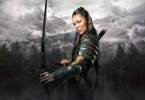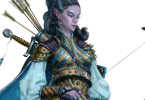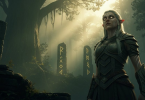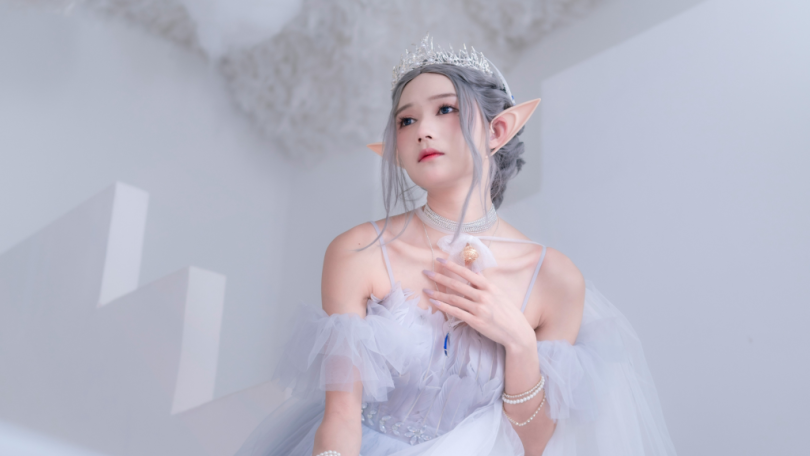

Elf lore explained in simple English can help new fantasy fans, writers, and role-playing players understand one of the most loved races in magical stories. Elves appear in myths, books, games, movies, and tabletop adventures, but their background can feel confusing at first. Some elves are wise forest guardians. Some are shining immortal beings. Others are dark, proud, dangerous, or deeply tied to ancient magic.
This guide makes elf lore easy to follow. You will learn what elves are, where their ideas come from, why they matter in fantasy, and how to use them in your own stories or DnD-style worlds. We will also look at common elf types, naming styles, cultures, powers, mistakes, and simple examples.
The best thing about elves is that they are flexible. You can make them noble, mysterious, playful, tragic, royal, wild, or even villainous. Their lore can support deep world-building, strong characters, and rich fantasy names. So, if you want elf lore explained clearly, this guide will give you a strong starting point without making the topic feel heavy.
What is Elf Lore Explained?
Elf lore explained means understanding the stories, traditions, traits, and beliefs connected to elves. In simple words, elf lore is the background that tells us who elves are, where they come from, what they value, and how they live.
In many fantasy worlds, elves are not just humans with pointed ears. They often have long lives, sharp senses, graceful movement, strong magic, and a close bond with nature or ancient knowledge. Their societies may be hidden in forests, silver cities, moonlit kingdoms, underground halls, or lands beyond the mortal world.
Elf lore comes from several sources. Old European folklore described elves as magical beings linked with beauty, danger, healing, tricks, and unseen realms. Later fantasy writers changed and expanded those ideas. Modern fantasy elves often mix myth, legend, and original world-building.
For example, in one story, elves may be peaceful archers who protect sacred woods. In another, they may be royal scholars who study stars and magic. In a darker world, they may be proud immortals who look down on humans.
So, elf lore is not one fixed rulebook. It is a collection of ideas that creators can shape. That is why fantasy elves remain popular. They can fit many settings, from classic fairy tales to epic RPG campaigns.
Why is Elf Lore Explained Important?
Elf lore explained is important because elves are a major part of fantasy culture. When readers see an elf, they often expect mystery, beauty, magic, and history. Good lore helps those expectations feel meaningful instead of shallow.
For writers, elf lore gives structure. It helps answer key questions. Why do elves live so long? What do they believe? How do they name children? Why do they avoid humans? What kind of magic do they use? These answers make fantasy worlds feel real.
For gamers, especially RPG and DnD players, elf lore helps create better characters. A player can build more than a skilled archer or wizard. They can create an elf with family traditions, old duties, personal grief, cultural pride, or a secret mission.
For readers and fans, elf lore makes stories easier to enjoy. When you understand elven mythology and culture, you notice more meaning in names, places, symbols, and character choices.
It is also important for fantasy names. Elf names often sound elegant, ancient, musical, or nature-based. Strong lore helps those names feel connected to culture instead of random letters.
In short, elf lore turns elves from simple fantasy figures into living parts of a world. It gives them roots, values, conflicts, and emotional depth.
Detailed Step-by-Step Guide
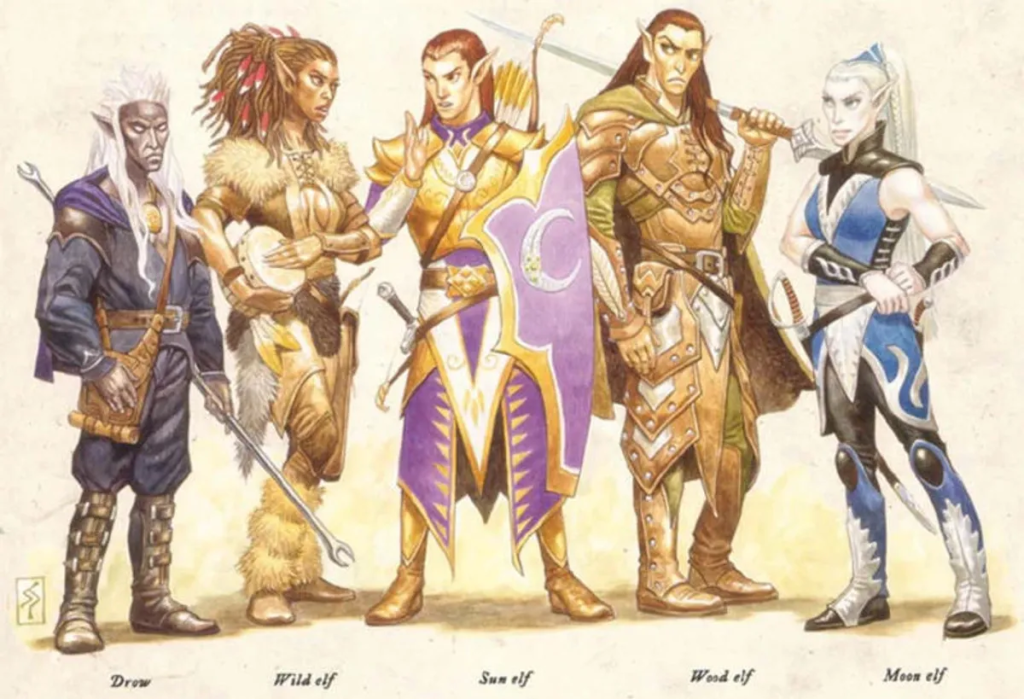
Step 1: Understand the Basic Elf Image
The first step is to understand the common image of elves. Most fantasy elves are graceful, intelligent, and connected to magic. They are often taller or slimmer than humans, with sharp features, pointed ears, and calm expressions.
However, this image can change. Some elves are bright and noble. Some are wild and earthy. Some are cold and political. Some are playful and strange.
A simple beginner image might include:
- Long lifespan or immortality
- Strong connection to nature or magic
- Elegant speech and movement
- Skilled archery, swordplay, or spellcasting
- Ancient culture and deep memory
- Beautiful names and symbolic traditions
This does not mean every elf must have all these traits. Good fantasy elves feel unique. A young forest elf may act very differently from an ancient moon elf queen.
Step 2: Learn the Mythic Roots
Elven mythology has deep roots in folklore. In older stories, elves were not always gentle heroes. They could bless people, harm people, confuse travelers, steal children, cause illness, or lead humans into magical places.
In Norse myth, elves were linked with light, beauty, and hidden realms. In Germanic and Celtic-style folklore, elf-like beings often lived near hills, woods, rivers, or fairy lands. They were magical and powerful, but not always safe.
Modern fantasy softened some of these older ideas. Elves became wiser, nobler, and more heroic. Still, the old mystery remains. That is why elves often feel otherworldly. They are close to humans in shape, but far away in spirit.
When building your own elf lore, you can choose how much mythic mystery to keep. Your elves may be bright guardians, dangerous spirits, ancient nobles, or something new.
Step 3: Choose an Elf Type
Fantasy elves often appear in different groups or races. These groups help explain culture, powers, appearance, and behavior.
Common elf types include:
- High elves: Noble, magical, educated, and often tied to royal cities.
- Wood elves: Nature-based, skilled in archery, tracking, and forest life.
- Dark elves: Secretive, underground, shadowy, or morally complex.
- Moon elves: Dreamy, magical, spiritual, and linked with night or stars.
- Sun elves: Proud, radiant, disciplined, and linked with light or fire.
- Sea elves: Ocean-dwelling elves with water magic and coastal culture.
- Snow elves: Hardy, quiet elves living in cold mountains or frozen lands.
These types are tools, not limits. You can mix them. A sea elf kingdom may also worship the moon. A dark elf clan may protect underground gardens. A high elf prince may reject court life and live among humans.
Step 4: Build Their Culture
Culture is one of the most important parts of elf lore explained well. Culture tells us how elves live every day. It includes art, food, music, homes, laws, clothing, beliefs, and family life.
Ask simple questions:
- Do they live in forests, cities, caves, islands, or mountains?
- Do they value wisdom, beauty, freedom, duty, nature, or power?
- Are they friendly to humans or distant from them?
- Do they have kings, councils, elders, or priestesses?
- What songs, festivals, and rituals do they keep?
- What do they fear losing?
For example, wood elves may build homes in giant trees and celebrate the first spring bloom. High elves may live in crystal towers and keep records of every royal bloodline. Dark elves may follow strict house laws and value survival, secrets, and ambition.
Culture makes elves feel real. It also gives you better story conflict.
Step 5: Decide Their Lifespan and Memory
Many fantasy elves live for hundreds or thousands of years. Some are immortal unless killed. This changes how they see the world.
A human may fear wasting ten years. An elf may spend ten years learning one song. A human king may feel powerful for a short reign. An elf elder may have watched ten kingdoms rise and fall.
Long life creates beauty and sadness. Elves can become wise, patient, and skilled. But they may also become distant, proud, or slow to change. They may love humans but fear the pain of losing them.
Memory is also important. Do elves remember every century clearly? Do old memories fade like dreams? Are songs used to preserve history? These choices can make your fantasy elves more emotional and believable.
Step 6: Define Their Magic
Elves and magic often go together. Their magic may come from nature, stars, ancient bloodlines, spirits, songs, runes, moonlight, or divine gifts.
Common elven magic includes:
- Healing herbs and nature spells
- Illusions and glamour
- Star or moon magic
- Protective wards
- Enchanted weapons
- Dream visions
- Language-based spells
- Music magic
Magic should match culture. Forest elves may ask trees for guidance. High elves may study spellbooks and runes. Sea elves may sing to tides. Dark elves may use shadow magic or crystal power.
Try not to make every elf all-powerful. Limits make magic more interesting. Maybe moon magic only works at night. Maybe healing requires rare flowers. Maybe old spells cost memories.
Step 7: Create Naming Rules
Elf names are a big part of fantasy writing and RPG character creation. Good names can show culture, family, magic, or personality.
Elf names often sound soft, flowing, and musical. They may include sounds like ae, el, th, ra, syl, mir, loth, ael, or nor. They may also connect to nature, stars, seasons, animals, or virtues.
Examples:
- Aelindra means moon song.
- Thalion means strong branch.
- Sylvaris means forest grace.
- Miraleth means silver light.
- Elowen means elm spirit.
You can create simple naming rules:
- Forest elves use leaf, tree, and animal meanings.
- Moon elves use night, dream, and star meanings.
- Royal elves use long family names.
- Warrior elves earn title names after great deeds.
- Exiled elves may change names to mark a new life.
Names feel stronger when they connect to lore.
Step 8: Add Beliefs and Spiritual Life
Elven beliefs can be simple or deep. Some elves worship nature spirits. Some honor moon gods, star mothers, ancestor kings, sacred trees, or ancient dragons. Others may not worship at all but respect balance and memory.
Beliefs shape behavior. If elves believe trees carry souls, they will not cut forests carelessly. If they believe stars guide destiny, they may read the night sky before making major choices. If they honor ancestors, family history may matter more than personal freedom.
You can also create sacred places. These may include moon wells, silver groves, crystal libraries, hidden temples, or burial gardens. Such places make elven mythology feel rich.
Step 9: Create Conflict
Perfect elves can become boring. Conflict makes them human enough to understand while keeping them magical.
Common elf conflicts include:
- Tradition versus change
- Nature versus empire
- Immortality versus grief
- Magic versus responsibility
- Pride versus humility
- Isolation versus friendship
- Duty versus personal desire
- Old wars that never fully ended
For example, an elf princess may want peace with humans, but her council remembers a human betrayal from 400 years ago. A young elf hunter may love city life, while their family expects them to guard the forest. A dark elf scholar may question cruel laws but fear exile.
Conflict gives elf lore movement. It turns background into story.
Step 10: Use Elf Lore in RPGs and Stories
For RPG players, elf lore helps you make better characters. Instead of choosing “elf ranger” only for skills, think about background.
Ask:
- Why did your elf leave home?
- What tradition do they still follow?
- What human habit confuses them?
- What old memory shapes them?
- What name or title matters to them?
- What part of their culture do they reject?
For writers, use lore through action. Do not explain everything at once. Show elves singing before battle, refusing iron tools, greeting trees by name, or pausing sadly at a ruined human castle they once saw new.
Small details make lore feel alive.
Benefits of Elf Lore Explained
Understanding elf lore has many benefits for fans, writers, gamers, and world-builders.
- It makes fantasy worlds feel deeper and more believable.
- It helps beginners understand common elf traits and themes.
- It gives writers ideas for cultures, names, kingdoms, and conflicts.
- It helps RPG players create richer elf characters.
- It makes fantasy names more meaningful and easier to choose.
- It improves world-building by connecting history, magic, and society.
- It adds emotional depth through immortality, memory, and loss.
- It supports better villains, heroes, mentors, and side characters.
- It helps avoid flat or copied versions of fantasy elves.
- It gives readers a clearer view of elven mythology and fantasy traditions.
Most importantly, elf lore explained in simple form gives creators confidence. Once you understand the basics, you can change the rules and build your own version.
Disadvantages / Risks
Elf lore is useful, but there are some risks if it is handled poorly.
- Elves can feel too perfect if they have no flaws.
- Long backstories can slow down a story or game.
- Too many elf types may confuse beginners.
- Fancy names can become hard to read or remember.
- Copying famous fantasy elves too closely can make your world feel unoriginal.
- Making elves better than every other race can reduce tension.
- Overusing ancient language can make dialogue feel unnatural.
- Dark elf cultures can become shallow if they are written only as evil.
- Immortality can create plot problems if not explained well.
- Heavy lore can distract from character emotion.
The best solution is balance. Give elves wonder and beauty, but also limits, fears, duties, and mistakes.
Common Mistakes to Avoid
One common mistake is making elves perfect. If elves are always wiser, prettier, stronger, and more magical than everyone else, they may become boring. Give them weaknesses. Maybe they struggle with change. Maybe they are proud. Maybe their long lives make them slow to act.
Another mistake is using names that are too complex. A name like Aeltharion may work, but five names like that on one page can tire readers. Mix simple and elegant names.
A third mistake is explaining too much at once. Lore should appear naturally. A short ritual, a song, a law, or a family argument can teach more than a long history lesson.
Also, avoid making every elf the same. A farmer, queen, soldier, healer, thief, and child should not all speak with one voice. Culture matters, but personality matters too.
Finally, do not copy one famous style of fantasy elves exactly. Use inspiration, then add your own twist. Maybe your elves fear the sea. Maybe they trade memories as currency. Maybe their names change with the seasons.
Fresh details make elf lore memorable.
FAQs
1. What does elf lore mean?
Elf lore means the stories, beliefs, history, culture, and magical ideas connected to elves. It explains who elves are, where they come from, how they live, and why they matter in fantasy worlds.
For beginners, elf lore can include simple things like pointed ears, long life, forest homes, and magic. For deeper world-building, it can include religion, politics, family rules, ancient wars, naming customs, and relationships with other races.
2. Are elves always good in fantasy?
No, elves are not always good. In many modern stories, elves are noble or wise, but older folklore often showed them as dangerous or unpredictable. They could help humans, trick them, or punish them.
In fantasy writing, elves can be heroes, villains, mentors, rivals, or ordinary people. A good elf character should have motives, flaws, and choices instead of being good only because they are an elf.
3. Why do elves live so long?
Elves usually live long because they are tied to magic, nature, divine power, or ancient bloodlines. Their long lifespan makes them feel different from humans.
This idea also creates strong story themes. Elves may remember old wars, lost friends, and vanished kingdoms. They may be wise, but they may also carry grief for centuries.
4. What are the most common types of fantasy elves?
The most common types include high elves, wood elves, dark elves, moon elves, sun elves, sea elves, and snow elves. Each type usually has different culture, powers, and appearance.
High elves are often noble and magical. Wood elves are close to forests. Dark elves are often linked with shadows or underground realms. Moon elves may follow dreams, stars, and night magic.
5. How do I create a good elf character?
Start with more than appearance. Choose your elf’s home, culture, age, values, and personal problem. Then decide what they want and what they fear.
For example, your elf may be a 300-year-old healer who has left the forest to find a cure for a dying sacred tree. This gives the character purpose, emotion, and a clear link to lore.
6. What makes elf names sound magical?
Elf names often sound magical because they use soft sounds, flowing syllables, and nature-based meanings. Names with sounds like el, ae, syl, mir, thal, and loth often feel elven.
Meaning also matters. A name connected to moonlight, rivers, stars, flowers, or ancient virtues feels stronger than a random pretty sound.
7. Can I change elf lore for my own world?
Yes, you can change elf lore. Fantasy works best when creators add their own ideas. You can make elves short-lived, desert-based, ocean-born, machine-loving, or completely different from classic versions.
The key is consistency. Once you create rules, follow them or explain why they change.
8. Are elves and fairies the same?
Elves and fairies are related in some folklore, but they are not always the same. In older traditions, the line between elves, fairies, spirits, and hidden folk could be blurry.
In modern fantasy, elves are often shown as a humanoid race with culture and history, while fairies are often smaller magical beings or spirits. However, each world can define them differently.
Expert Tips & Bonus Points
If you want stronger elf lore, start small. Do not build a full thousand-year history before creating one meaningful custom. A funeral song, naming ritual, or coming-of-age test can reveal a lot.
Use contrast. Elves become more interesting when compared with humans, dwarves, or orcs. Maybe humans rush, dwarves preserve stone, and elves preserve memory. These differences create natural tension.
Connect names to culture. If your elves worship stars, use star meanings in names. If they live in forests, use tree, leaf, rain, and animal meanings.
Give every elf group a cost. High elves may have beauty and power, but strict laws. Wood elves may have freedom, but little safety. Dark elves may have strong unity, but harsh politics.
Use sensory details. Describe silver leaves, quiet footsteps, old songs, moonlit halls, bitter healing tea, or bows carved from sacred wood. These details help readers feel the world.
Finally, remember that elves should not only represent perfection. They can represent memory, longing, pride, patience, beauty, grief, and hope. That emotional range is what makes them last in fantasy.
Conclusion
Elf lore explained simply gives beginners and fantasy fans a clear way to understand elves beyond their pointed ears and magical beauty. Elves are popular because they carry a special mix of wonder, history, mystery, and emotion. They can be forest guardians, royal spellcasters, shadow dwellers, sea wanderers, or something fully original.
When you understand elf lore, you can enjoy fantasy stories more deeply. You can also create better RPG characters, stronger fantasy names, and richer worlds. The key is to connect every detail. Lifespan should affect memory. Magic should fit culture. Names should carry meaning. Beliefs should shape choices. Conflicts should make elves feel alive.
Good elf lore does not need to be complicated. Start with simple questions. Where do your elves live? What do they value? What do they fear? How do they remember the past? How do they treat outsiders? These answers will guide your world-building.
In the end, elves are powerful because they feel close to us and far from us at the same time. They look human enough to understand, but magical enough to inspire wonder. That balance is the heart of great elf lore.