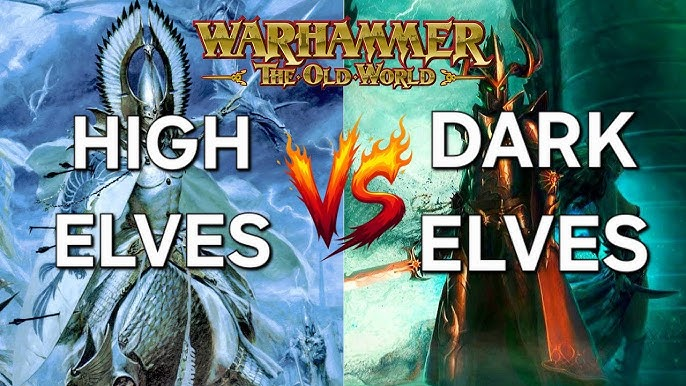

High elf vs dark elf lore is one of the most interesting topics in fantasy world-building. These two elf races often stand on opposite sides of culture, magic, values, and history. High elves are usually linked with light, wisdom, beauty, noble cities, and ancient learning. Dark elves are often linked with shadows, underground realms, secrets, survival, and dangerous power. However, the difference is not always simple good versus evil.
Many beginners think high elves are always heroes and dark elves are always villains. That is a common idea, but modern fantasy gives both groups more depth. A high elf can be proud, cold, or controlling. A dark elf can be loyal, clever, wounded, or misunderstood.
What is High Elf vs Dark Elf Lore?
High elf vs dark elf lore means the background, history, culture, and fantasy meaning behind two famous elf groups: high elves and dark elves. It explains how they live, what they believe, what magic they use, and why they are often shown as rivals.
High elves are usually seen as refined and ancient. They may live in bright towers, golden cities, crystal halls, or hidden kingdoms filled with art and knowledge. They often value order, beauty, wisdom, bloodlines, and magical study.
Dark elves are usually more secretive and intense. They may live underground, in shadow forests, in ruined cities, or in harsh lands away from sunlight. Dark elf lore often includes survival, exile, forbidden magic, political struggle, revenge, or a broken past.
The main idea behind high elf vs dark elf lore is contrast. One group often represents light, order, and old nobility. The other represents darkness, rebellion, hidden strength, and moral complexity. When written well, both sides feel emotional and believable.
Why is High Elf vs Dark Elf Lore Important?
High elf vs dark elf lore is important because it creates clear contrast in fantasy stories. Contrast helps readers and players understand tension quickly. When two elf races have different values, homes, and histories, their meetings can create drama, mystery, and powerful story moments.
For writers, this lore helps build deeper worlds. It gives you a way to explore themes like pride, exile, tradition, survival, prejudice, and forgiveness. A high elf kingdom may believe it protects civilization, while a dark elf clan may believe it was betrayed and forced into darkness.
For RPG players, this topic helps with character creation. A high elf wizard may carry the burden of family honor. A dark elf rogue may be trying to escape a cruel society. These details make characters more than stats on a sheet.
In short, high elf vs dark elf lore gives fantasy worlds emotional depth. It turns simple elf races into cultures with memory, conflict, and purpose.
Detailed Step-by-Step Guide
Step 1: Understand the Basic Difference
The first step is to understand the simple difference between high elves and dark elves. High elves are often connected to light, learning, noble blood, and polished society. Dark elves are often connected to darkness, secrecy, survival, and hidden power.
This does not mean high elves are always kind. It also does not mean dark elves are always cruel. These are starting points, not strict rules.
A simple comparison looks like this:
- High elves often value tradition, beauty, and magical order.
- Dark elves often value survival, secrecy, and personal strength.
- High elves may live in open, shining cities.
- Dark elves may live underground or in hidden places.
- High elves may trust laws and councils.
- Dark elves may trust family houses, clans, or personal skill.
Step 2: Explore High Elf Lore
High elf lore usually presents high elves as ancient, graceful, and proud. They are often among the oldest civilized peoples in a fantasy world. Their cities may be filled with white stone, silver bridges, tall libraries, music halls, and magical gardens.
High elves often study magic in a formal way. They may use runes, star charts, spellbooks, crystal tools, or ancient languages. Their magic can feel clean, controlled, and elegant. It may focus on protection, healing, light, illusion, knowledge, or elemental power.
Their society is often organized. They may have royal families, noble houses, elder councils, magical academies, and strict customs. Because they live so long, they may care deeply about history and reputation.
However, high elf lore also has flaws. High elves may become arrogant. They may look down on humans, dwarves, or even other elves. They may fear change because they have protected the same traditions for thousands of years.
Step 3: Explore Dark Elf Lore
Dark elf lore often begins with separation. Dark elves may be descendants of exiled elves, cursed elves, underground elves, or rebels who rejected high elf rule. Their past usually contains pain, betrayal, war, or a major cultural split.
Dark elves are commonly shown as living in harsh places. They may build cities under mountains, within caverns, below dead forests, or inside shadowed ruins. Because their homes are dangerous, their culture often rewards strength, cleverness, silence, and loyalty.
Their magic may feel darker or more secretive. It can include shadow magic, poison craft, illusion, blood oaths, spider symbols, crystal energy, dream control, or forbidden knowledge. Yet dark magic does not have to mean evil. It can simply mean magic that deals with hidden forces.
Dark elves are often morally complex. Some may be cruel because their society is cruel. Others may be kind but careful. Many dark elf characters are powerful because they have survived fear, exile, and danger.
Step 4: Compare Their Homes and Environments
Environment shapes culture. High elves and dark elves often live in very different places, and those places affect how they think.
High elf homes are usually bright, open, and carefully designed. Their cities may stand near rivers, mountains, sacred forests, or magical springs. Their buildings may use marble, crystal, gold, pale wood, or glowing stones.
Dark elf homes are usually hidden, defended, and shaped by danger. Underground cities may use black stone, metal bridges, glowing mushrooms, lava light, crystal caves, or secret tunnels. Shadow forest homes may use dark wood and mist-covered paths.
These homes create different values. High elves may value beauty because they live in safe and elegant places. Dark elves may value caution because danger is always close.
Step 5: Compare Their Magic
Magic is a major part of high elf vs dark elf lore. Both groups are often powerful, but their styles feel different.
High elf magic is usually formal, bright, and controlled. It may focus on:
- Light spells
- Healing
- Wards and shields
- Divination
- Star magic
- Elemental balance
- Enchanted art and music
Dark elf magic is usually secretive, intense, and risky. It may focus on:
- Shadow spells
- Illusions
- Poison or curse craft
- Underground crystal magic
- Binding oaths
- Night vision
- Spirit contact
The key is not to make one magic good and the other bad. High elf magic can be used to control people. Dark elf magic can be used to protect a hidden home. The moral value depends on the user.
Step 6: Compare Their Values
Values are the heart of culture. High elves and dark elves often disagree because they value different things.
High elves may value:
- Honor
- Beauty
- Knowledge
- Bloodline
- Public duty
- Harmony
- Ancient law
Dark elves may value:
- Survival
- Loyalty
- Secrets
- Strength
- Freedom
- Revenge
- Adaptation
These values create conflict. A high elf may see dark elves as dangerous and dishonorable. A dark elf may see high elves as weak, proud, and protected by comfort.
Step 7: Compare Their Names
Names are important in elf races because they show culture and identity. High elf names often sound smooth, bright, and noble. Dark elf names often sound sharper, deeper, and more mysterious.
High elf name examples:
- Aelthir
- Elowen
- Miraleth
- Caladrian
- Sylvarion
Dark elf name examples:
- Varyn
- Draveth
- Nyssara
- Zhaelor
- Velkyn
High elf surnames may include meanings like Starbloom, Silverbranch, Dawnweaver, or Moonharp. Dark elf surnames may include meanings like Nightveil, Duskwalker, Shadowthorn, or Blackspire.
Step 8: Build Their Conflict
A strong high elf and dark elf story needs a believable conflict. Do not make them enemies only because one side is light and one side is dark. Give them a reason.
Possible conflicts include:
- A royal betrayal split the elves into two peoples.
- High elves banished dark elves after a magical disaster.
- Dark elves stole a sacred artifact to survive underground.
- Both groups claim the same ancient homeland.
- Their gods or ancestors gave them opposite duties.
- A long war continues because neither side remembers the full truth.
A strong conflict should have pain on both sides. Maybe high elves fear dark magic because it once destroyed a city. Maybe dark elves hate high elves because they were abandoned during a famine.
Step 9: Use Them in RPG Characters
High elf vs dark elf lore is perfect for RPG character creation. It gives players ready-made tension, but still leaves space for personal stories.
A high elf character could be:
- A noble wizard trying to protect a fading kingdom
- A young scholar who questions old laws
- A royal guard ashamed of family pride
- A healer sent to make peace with dark elves
- A bard who records lost histories
A dark elf character could be:
- An exile looking for a new home
- A spy who wants freedom from a cruel house
- A shadow mage who protects innocent people
- A warrior seeking truth about an old betrayal
- A priestess who doubts her society’s rules
Good characters do not need to obey every cultural rule. A high elf who dislikes court life or a dark elf who hates cruelty can be very interesting.
Step 10: Use Them in Fantasy Stories
In stories, high elves and dark elves can do more than fight. They can show different views of history. One group may keep official records, while the other keeps forbidden songs. The truth may sit between both versions.
You can use them in many plot ideas:
- A high elf and dark elf must work together to stop a shared enemy.
- A lost child belongs to both bloodlines.
- An ancient curse can only be broken by both peoples.
- A dark elf city needs help from high elf healers.
- A high elf prince discovers his kingdom lied about the exile.
- A dark elf queen wants peace but her nobles resist.
Benefits of High Elf vs Dark Elf Lore
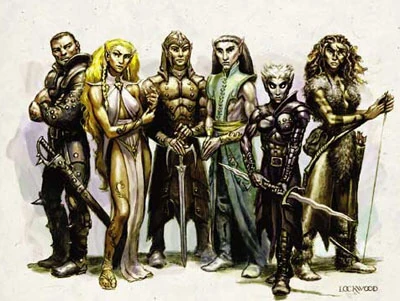
High elf vs dark elf lore brings many benefits to fantasy writing, RPG campaigns, and character creation.
- It creates instant contrast between two powerful elf races.
- It helps beginners understand common fantasy elf types.
- It gives writers strong themes like pride, exile, survival, and forgiveness.
- It supports better character backstories.
- It makes fantasy names more meaningful.
- It creates natural political and magical conflict.
- It helps RPG players build characters with emotional depth.
- It allows both light and dark cultures to have strengths and flaws.
- It adds mystery to ancient wars, curses, and lost kingdoms.
- It makes world-building feel richer without needing too much explanation.
Disadvantages / Risks
There are also risks when using high elf vs dark elf lore. If handled poorly, the idea can feel flat or predictable.
- High elves may become too perfect or boring.
- Dark elves may become unfairly written as evil only.
- The story may become a simple light versus dark copy.
- Too much history can slow the plot.
- Fancy names may become hard for readers to follow.
- Cultural differences may feel shallow if not explained.
- Magic powers may become too strong without limits.
- Rivalry may feel forced if there is no real reason.
- Characters may feel like stereotypes instead of people.
- Moral themes may become weak if one side is always right.
Common Mistakes to Avoid
The biggest mistake is making high elves pure good and dark elves pure evil. This may seem easy, but it removes depth. Realistic cultures have heroes, villains, cowards, leaders, rebels, and ordinary people.
Another mistake is copying famous fantasy worlds too closely. Inspiration is fine, but your elves need their own history, names, symbols, and conflicts. Add one fresh idea that changes everything.
A third mistake is ignoring daily life. Do high elves farm? Who teaches dark elf children? What do they eat? What songs do they sing? Small details make lore feel real.
Also, avoid making dark elf culture cruel for no reason. If their society is harsh, explain why. Was it shaped by exile, dangerous lands, old curses, or fear of betrayal?
Finally, do not overload readers with ancient history at the start. Show lore through scenes, dialogue, clothing, rituals, and choices. Let readers discover the world step by step.
FAQs
1. What is the main difference between high elves and dark elves?
The main difference is usually culture, environment, and values. High elves are often linked with light, noble cities, formal magic, and old traditions. Dark elves are often linked with shadows, hidden homes, survival, secrecy, and intense magic.
However, this difference can change depending on the fantasy world. The best versions make both groups complex instead of simple opposites.
2. Are dark elves always evil?
No, dark elves are not always evil. Some fantasy stories show them as villains, but modern dark elf lore often gives them deeper motives. They may be exiles, survivors, rebels, or people shaped by a harsh society.
A dark elf can be kind, loyal, brave, and honorable. Their culture may be dark, but darkness does not always mean evil.
3. Are high elves always good?
No, high elves are not always good. They may be wise and beautiful, but they can also be proud, strict, controlling, or blind to the suffering of others.
A high elf kingdom may believe it protects peace while hiding unfair laws. This makes high elf lore more realistic and interesting.
4. Can high elves and dark elves be related?
Yes, in many fantasy worlds, high elves and dark elves share the same ancient roots. They may have once been one people before war, exile, magic, religion, or politics split them apart.
This shared origin creates strong drama. It means their conflict is not just between strangers, but between distant kin.
5. Which elf race is stronger?
Neither race has to be stronger in every way. High elves may be better at formal magic, healing, and ancient knowledge. Dark elves may be better at stealth, survival, and shadow magic.
Balance is better for stories and games. Each group should have strengths and weaknesses.
6. How do I choose between a high elf and a dark elf character?
Choose based on the story you want to tell. Pick a high elf if you like themes of tradition, noble duty, old magic, and cultural pressure. Pick a dark elf if you like themes of survival, exile, secrets, and personal freedom.
You can also break expectations. A humble high elf or gentle dark elf can feel fresh and memorable.
7. What kind of names suit high elves and dark elves?
High elf names often sound flowing, bright, and elegant. They may use soft sounds and meanings linked to stars, dawn, silver, flowers, or music.
Dark elf names often sound sharper, deeper, or more mysterious. They may use meanings linked to night, shadow, stone, secrets, or storms.
8. Can I create my own version of this lore?
Yes, and you should. High elf vs dark elf lore is a flexible base. You can change their homes, powers, history, and relationship.
For example, your dark elves may not live underground. They may live in floating night islands. Your high elves may be wandering teachers who protect ancient songs.
Expert Tips & Bonus Points
Start with history, not appearance. Pointed ears and eye color are simple details, but history creates meaning. Decide why high elves and dark elves became different.
Give both groups beauty. High elf beauty may be bright and graceful. Dark elf beauty may be mysterious and powerful. This avoids making one group feel less valuable.
Add shared traditions. If both elf races came from one people, they may still share old songs, funeral rites, or sacred words. Shared culture makes their split feel tragic.
Create symbols. High elves may use suns, stars, swans, white trees, and silver crowns. Dark elves may use moons, spiders, ravens, black roses, crystals, and hidden blades.
Use language carefully. High elves may speak formally in public. Dark elves may speak indirectly because secrets matter. However, individuals can speak differently.
Most importantly, give every major elf character a personal choice. Culture shapes them, but it should not fully control them. A character becomes powerful when they choose who they want to be.
Conclusion
High elf vs dark elf lore is powerful because it gives fantasy worlds contrast, history, and emotional tension. High elves often represent light, order, beauty, wisdom, and ancient tradition. Dark elves often represent shadow, survival, secrecy, exile, and hidden strength. Still, the best stories do not treat one side as perfect and the other as evil.
When you build or study this lore, look deeper than appearance. Ask where each group lives, what they value, what they fear, and what pain shaped their culture. High elf lore becomes stronger when it includes flaws like pride or fear of change. Dark elf lore becomes stronger when it includes loyalty, art, family, and reasons behind its harshness.
For writers, this topic can create rich kingdoms, old wars, forbidden romance, political tension, and healing between divided peoples. For RPG players, it offers strong character ideas filled with duty, exile, secrets, and growth.
In the end, high elf vs dark elf lore works best when both sides feel alive. Let them disagree. Let them wound each other. Let them learn. That balance creates fantasy that feels magical, emotional, and memorable.