
Introduction
Magical character concepts are the heart of many fantasy stories, RPG games, novels, and world-building projects. These ideas help writers create powerful wizards, mysterious sorcerers, enchanted beings, and spellcasters with unique personalities and abilities. A strong magical character is not just about flashy spells or glowing powers. Instead, it is about emotional depth, meaningful goals, and a believable place in the fantasy world.
When readers or players meet a magical character, they want to feel curiosity, excitement, and emotional connection. This is only possible when the character has a strong identity, clear motivation, and interesting background. Without these elements, even the most powerful magic user can feel empty or forgettable.
Magical character concepts also help writers build richer worlds. Through these characters, we explore ancient schools of magic, forgotten kingdoms, cursed artifacts, and powerful mystical traditions. Every spellcaster carries a story that shapes the fantasy universe around them.
This guide will explore the best magical character concepts for beginners and intermediate creators. It will help you design original ideas, build magical systems, create strong backstories, and avoid common mistakes that weaken fantasy storytelling.
What is Magical Character Concepts?
Magical character concepts refer to creative ideas used to design fantasy characters who use magic or are connected to magical forces. These concepts include personality, abilities, origin, emotional background, appearance, and role in the story.
A magical character can be anything from a wise wizard to a chaotic sorcerer or even a cursed being struggling to control their powers. These characters often exist in fantasy worlds filled with kingdoms, mystical creatures, and ancient energy systems.
Strong magical character concepts usually include:
- Unique magical abilities
- Emotional motivation
- Clear personality traits
- Backstory and history
- Strengths and weaknesses
- Visual design and identity
- Relationships with other characters
For example, a young mage who accidentally destroyed their village might struggle with guilt while learning to control dangerous magic. This makes the character more meaningful than a simple spellcaster.
Magical character concepts are widely used in:
- Fantasy novels
- RPG campaigns
- Video games
- Comic books
- Creative writing exercises
- Story-driven animations
They help bring imagination to life in structured and emotional ways.
Why is Magical Character Concepts Important?
Magical character concepts are important because they give structure and emotional depth to fantasy storytelling. Without well-designed characters, magical worlds feel empty and less engaging.
One major reason these concepts matter is emotional connection. Readers and players enjoy characters who feel real, even in magical settings. When a spellcaster struggles, grows, or makes difficult choices, the audience becomes more invested.
Another reason is storytelling depth. Magical characters often drive the main conflict in fantasy stories. Their decisions can change kingdoms, start wars, or unlock ancient secrets.
Magical character concepts also improve world-building. Through a single character, writers can introduce magical systems, political structures, and cultural traditions.
For example, a mage from a strict magical academy reveals information about how magic is taught and controlled in that world.
In RPG games, strong magical characters make gameplay more immersive. Players enjoy exploring abilities, learning spells, and developing personal story arcs.
Most importantly, magical character concepts make fantasy stories memorable. Readers may forget small details, but they often remember powerful characters with emotional depth and unique abilities.
Detailed Step-by-Step Guide
Step 1: Choose the Type of Magical Character
The first step in creating magical character concepts is deciding what type of magic user the character will be.
Common types include:
- Wizard
- Sorcerer
- Enchanter
- Witch
- Shaman
- Elemental mage
- Curse user
- Spirit caller
Each type has a different style of magic and personality influence. For example, a wizard may rely on study and books, while a sorcerer may use natural magical talent.
Step 2: Define the Source of Magic
Magic should have a clear origin in your character concept.
Possible sources include:
- Ancient artifacts
- Nature spirits
- Divine gods
- Bloodline inheritance
- Cursed energy
- Cosmic forces
- Forbidden rituals
The source of magic affects limitations, costs, and emotional consequences.
Step 3: Build Personality Traits
Magical characters should have strong personalities, not just abilities.
Useful traits include:
- Curiosity
- Ambition
- Fear
- Wisdom
- Arrogance
- Kindness
- Obsession
- Calmness
Combining traits creates realistic personalities. For example, a powerful mage who is afraid of their own power feels more interesting than a perfect hero.
Step 4: Create Emotional Conflict
Emotional conflict makes magical characters engaging.
Examples include:
- Fear of losing control
- Guilt from past mistakes
- Desire for forbidden knowledge
- Struggle between good and evil
- Pressure from magical society
These conflicts shape decisions and story development.
Step 5: Design Magical Abilities
Magic systems should be creative but structured.
Popular magical abilities include:
- Element control (fire, water, air, earth)
- Healing magic
- Illusion casting
- Time manipulation
- Shadow control
- Summoning spirits
- Rune crafting
Abilities should match personality and story role.
Step 6: Develop Backstory
A strong backstory explains how the character became a magic user.
Important elements include:
- Childhood experiences
- Magical training
- Loss or trauma
- Mentor relationships
- First use of magic
- Life-changing event
Backstory adds emotional depth and motivation.
Step 7: Define Goals and Motivation
Magical characters need clear goals.
Examples include:
- Mastering forbidden magic
- Protecting a kingdom
- Avenging a tragedy
- Discovering ancient knowledge
- Breaking a curse
Goals drive the story forward and keep characters active.
Step 8: Add Strengths and Weaknesses
Balanced characters feel more realistic.
Strengths may include:
- Intelligence
- Magical power
- Creativity
- Knowledge
Weaknesses may include:
- Emotional instability
- Overconfidence
- Physical weakness
- Fear of failure
Weaknesses create tension and growth opportunities.
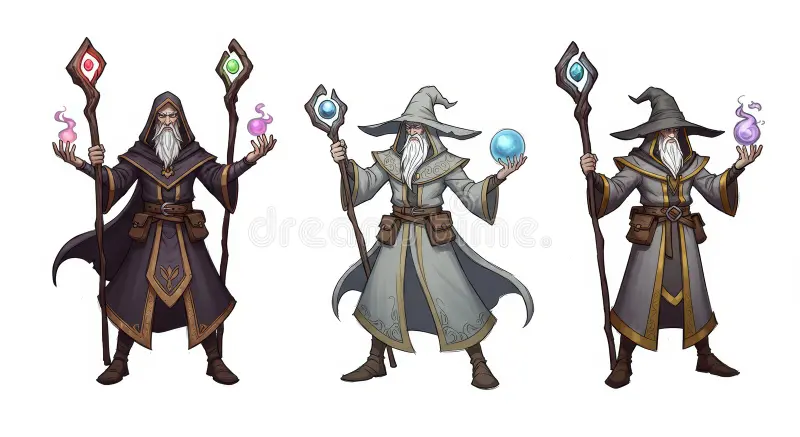
Step 9: Create Visual Identity
Appearance helps define magical characters.
Important details include:
- Clothing style
- Magical symbols
- Staffs or weapons
- Eye color changes
- Magical aura
- Scars or marks
Visual design should reflect personality and magic type.
Step 10: Connect to the Fantasy World
Magical characters should feel part of the world.
They may be influenced by:
- Magical schools
- Kingdom politics
- Ancient wars
- Religious systems
- Forbidden knowledge
This connection makes the world more immersive.
Benefits of Magical Character Concepts
Magical character concepts offer many benefits:
- Improve fantasy storytelling
- Add emotional depth
- Create memorable characters
- Strengthen world-building
- Support RPG gameplay
- Encourage creativity
- Build strong conflicts
- Enhance reader engagement
- Develop unique magical systems
- Make stories more immersive
Disadvantages / Risks
Despite their benefits, there are some risks:
- Overpowered magic reduces tension
- Generic wizards feel repetitive
- Complex systems may confuse readers
- Weak motivation lowers interest
- Excessive abilities reduce realism
- Poor balance affects storytelling
- Copying popular characters limits originality
Common Mistakes to Avoid
Creating Overpowered Characters
Too much power removes story tension.
Ignoring Personality
Magic alone is not enough for strong characters.
Using Generic Ideas
Originality makes characters stand out.
Weak Emotional Depth
Characters need emotional struggles to feel real.
Forgetting Limitations
Magic should always have rules or costs.
Lack of Clear Motivation
Characters must have meaningful goals.
FAQs
What makes a strong magical character?
A strong magical character combines abilities, emotional depth, personality, and meaningful goals.
Do magical characters always need combat power?
No, some magical characters focus on healing, knowledge, or support magic.
Why is backstory important for magical characters?
Backstory explains how characters gained their powers and what shaped their personality.
How do writers create unique magical systems?
By defining rules, limitations, sources, and consequences of magic.
Can beginners create magical characters?
Yes, beginners can start with simple ideas and build complexity over time.
What are common magical archetypes?
Wizards, witches, sorcerers, shamans, and elemental mages are common archetypes.
Expert Tips & Bonus Points
- Study mythology for inspiration
- Create clear magic rules
- Add emotional consequences
- Balance power and weakness
- Build character relationships
- Use symbolic magical items
- Connect magic to culture
- Avoid overcomplicated systems
- Focus on character emotions
- Let magic evolve over time
Conclusion
Magical character concepts are essential for creating rich and engaging fantasy worlds. They allow writers to design spellcasters with unique abilities, emotional depth, and meaningful stories. A well-built magical character is not defined only by power, but by personality, motivation, and the struggles they face while using magic.
When readers connect with a magical character, they become more invested in the story. Every spell, decision, and conflict feels more meaningful because it is tied to emotional experience. This is what makes fantasy storytelling powerful and memorable.
Creating strong magical characters also improves world-building. Through them, we explore magical systems, ancient histories, and mystical traditions that make fantasy worlds feel alive and believable.
However, balance is important. Overpowered abilities, weak motivations, or repetitive ideas can reduce the impact of a character. Writers should focus on originality, emotional depth, and clear storytelling structure.
The best magical character concepts combine imagination with realism. They allow readers to explore worlds filled with wonder while still connecting to human emotions. Whether you are writing a novel, designing an RPG character, or building a fantasy universe, thoughtful magical character design can transform simple ideas into unforgettable stories that stay in the reader’s mind long after the journey ends.