
Introduction
Fantasy character ideas are the foundation of every memorable fantasy story, RPG adventure, and magical world. Readers may enjoy epic battles and beautiful kingdoms, but unforgettable characters are usually what make stories truly meaningful. A strong fantasy character can inspire emotion, create tension, and keep readers interested from beginning to end.
Fantasy worlds often include heroes, villains, healers, warriors, rogues, mages, and mysterious travelers. However, the most interesting characters are not defined only by magical powers or impressive weapons. They become memorable because of their personality, emotional struggles, goals, and relationships.
Many beginner writers struggle to create original fantasy characters because they rely too heavily on stereotypes or copy popular stories. Learning how to develop unique ideas can improve both storytelling and world-building.
This guide explores the best fantasy character ideas for beginners and intermediate creators. It explains how to build original personalities, create emotional depth, design magical abilities, develop backstories, avoid common mistakes, and create characters that readers and RPG players will remember for years.
What is Fantasy Character Ideas?
Fantasy character ideas are creative concepts used to design original characters for fantasy stories, RPG games, novels, comics, and world-building projects. These ideas include personality traits, magical abilities, appearance, culture, goals, strengths, and weaknesses.
In fantasy storytelling, characters often come from magical races, ancient kingdoms, or mysterious environments. Some characters are heroic protectors, while others are morally complex individuals struggling with personal conflict.
A strong fantasy character idea usually includes:
- Unique personality traits
- Emotional struggles
- Personal goals
- Cultural background
- Magical or combat abilities
- Relationships with others
- Strengths and weaknesses
- Memorable appearance
For example, a wandering elf healer searching for a lost magical forest is more interesting than a generic wizard without motivation.
Fantasy character ideas are used in many creative projects such as:
- Fantasy novels
- RPG campaigns
- Video games
- Comic books
- Character art
- Online storytelling
- Creative writing exercises
Interesting characters help fantasy worlds feel alive and emotionally engaging.
Why is Fantasy Character Ideas Important?
Fantasy character ideas are important because characters drive the emotional core of every story. Even the most detailed fantasy world can feel empty without believable people living inside it.
One major reason character ideas matter is emotional connection. Readers remember characters who struggle, grow, and overcome challenges.
Another reason is storytelling depth. Characters create conflict, relationships, and personal drama that keep stories exciting.
For example, a powerful warrior who secretly fears failure feels more realistic than a hero with no emotional weakness.
Fantasy character ideas also improve world-building. Through a character’s culture, background, and beliefs, readers learn about kingdoms, magical systems, and history naturally.
In RPG games, strong character concepts make role-playing more immersive. Players enjoy creating heroes with unique motivations and emotional stories.
Good character design also helps writers avoid repetitive storytelling. Original personalities, flaws, and goals make fantasy worlds stand out.
Most importantly, memorable characters create long-lasting impact. Readers may forget small details about a fantasy world, but they often remember emotional journeys and meaningful relationships.
Detailed Step-by-Step Guide
Step 1: Decide the Character’s Role
The first step in creating fantasy character ideas is deciding the character’s role in the story.
Common fantasy roles include:
- Hero
- Villain
- Healer
- Warrior
- Mage
- Ranger
- Merchant
- Royal leader
- Explorer
- Rebel
The role influences personality, skills, and story purpose.
For example, a traveling rogue may value freedom and survival, while a royal knight may focus on honor and loyalty.
Step 2: Choose a Fantasy Race or Background
Fantasy characters often belong to unique races or cultures.
Popular fantasy races include:
- Elves
- Humans
- Dwarves
- Orcs
- Dragons
- Fairies
- Demons
- Magical hybrids
The character’s race and homeland should shape their beliefs, traditions, and worldview.
For example, a forest elf raised in nature may distrust large cities, while a dwarf from mountain kingdoms may value discipline and craftsmanship.
Step 3: Create Personality Traits
Strong personalities make characters memorable.
Instead of focusing only on magical powers, writers should think about behavior and emotions.
Interesting personality traits may include:
- Curiosity
- Pride
- Kindness
- Ambition
- Sarcasm
- Patience
- Fearfulness
- Loyalty
Combining different traits creates realism.
For example, a brave warrior who secretly fears loneliness feels more believable than a flawless hero.
Step 4: Add Emotional Conflict
Emotional conflict is one of the most important parts of fantasy storytelling.
Characters should face internal struggles such as:
- Fear of failure
- Guilt from past mistakes
- Pressure from family expectations
- Desire for revenge
- Fear of losing loved ones
- Difficulty trusting others
Emotional depth helps readers connect with characters naturally.
Step 5: Build a Meaningful Backstory
Backstories explain how characters became who they are.
A fantasy backstory may include:
- Childhood experiences
- Family relationships
- Major tragedies
- Cultural traditions
- Important mentors
- Past failures
For example, a mage who accidentally caused magical destruction may fear using powerful spells again.
Backstories should influence present decisions and motivations.
Step 6: Design Magical Abilities or Skills
Fantasy characters often possess unique abilities.
Popular fantasy skills include:
- Sword fighting
- Healing magic
- Shadow manipulation
- Archery
- Fire magic
- Shape shifting
- Beast communication
- Rune crafting
Abilities should fit the character’s personality and culture.
Balanced powers are more interesting than unlimited strength.
Step 7: Create Character Goals
Every fantasy character needs a purpose.
Without goals, characters feel directionless.
Examples of goals include:
- Protecting a kingdom
- Finding lost family members
- Destroying cursed artifacts
- Learning forbidden magic
- Escaping royal duties
- Seeking redemption
Clear goals move the story forward.
Step 8: Add Strengths and Weaknesses
Balanced characters feel realistic.
Strengths may include:
- Intelligence
- Leadership
- Courage
- Creativity
- Loyalty
Weaknesses may include:
- Pride
- Anger
- Fear
- Jealousy
- Emotional isolation
Weaknesses create opportunities for growth.
Step 9: Build Relationships
Relationships add emotional depth to fantasy stories.
Important relationships may involve:
- Friends
- Rivals
- Mentors
- Family members
- Romantic partners
- Political enemies
For example, a loyal friendship may influence a character’s biggest decisions.
Relationships help characters feel human and relatable.
Step 10: Create Visual Identity
Appearance helps characters stand out.
Visual details may include:
- Clothing style
- Weapons
- Hairstyles
- Tattoos
- Jewelry
- Scars
- Magical symbols
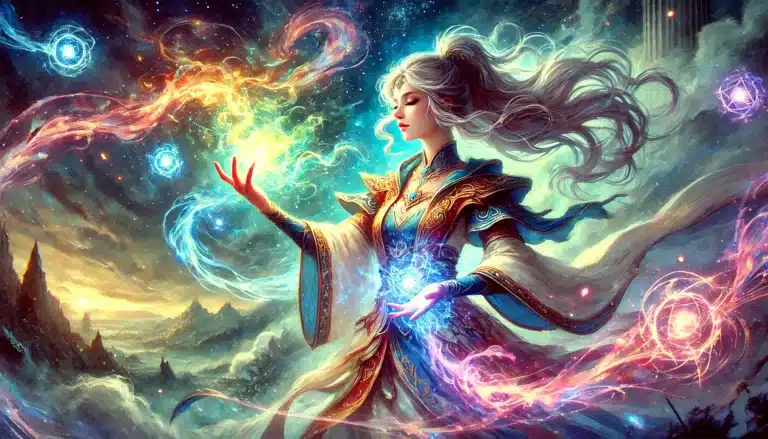
For example, a moon priestess wearing silver robes instantly creates atmosphere and personality.
Step 11: Connect the Character to the Fantasy World
Characters should feel connected to the larger setting.
Their lives may be influenced by:
- Political conflict
- Ancient wars
- Religious traditions
- Magical disasters
- Social systems
This connection improves immersion and realism.
Step 12: Allow Character Growth
The best fantasy characters change over time.
Character growth may involve:
- Overcoming fear
- Learning forgiveness
- Accepting responsibility
- Becoming a leader
- Changing beliefs
Growth creates emotional satisfaction for readers.
Benefits of Fantasy Character Ideas
Strong fantasy character ideas provide many creative benefits.
- Improves emotional storytelling
- Makes fantasy worlds more believable
- Creates memorable heroes and villains
- Enhances RPG role-playing experiences
- Supports stronger world-building
- Encourages creativity and imagination
- Helps writers build meaningful conflict
- Creates emotional connection with readers
- Improves long-term storytelling potential
- Makes fantasy adventures more immersive
Interesting characters are often the most important part of successful fantasy stories.
Disadvantages / Risks
Although fantasy character creation is exciting, there are some challenges.
- Overpowered characters reduce tension
- Generic heroes feel repetitive
- Excessive tragedy may feel forced
- Too many abilities can confuse readers
- Weak motivations create boring stories
- Poor emotional depth weakens realism
- Copying popular fantasy characters limits originality
- Complicated backstories may overwhelm beginners
Writers should balance creativity with emotional realism.
Common Mistakes to Avoid
Many beginner writers make common character creation mistakes.
Creating Perfect Heroes
Perfect characters rarely feel believable. Flaws make characters relatable.
Ignoring Emotional Depth
Strong powers alone do not create memorable personalities.
Using Generic Fantasy Stereotypes
Original traits and motivations help characters stand out.
Forgetting Character Goals
Every major character should want something meaningful.
Adding Too Many Abilities
Too many powers can make characters unrealistic and difficult to balance.
Writing Weak Villains
Interesting villains should have understandable motivations.
Ignoring Relationships
Friendships, rivalries, and family dynamics improve emotional storytelling.
Creating Confusing Backstories
Readers should understand a character’s history without memorizing unnecessary details.
FAQs
What makes a good fantasy character?
A good fantasy character combines personality, emotional depth, meaningful goals, and realistic weaknesses.
Why are fantasy character ideas important?
They help create emotional connection, strong storytelling, and believable fantasy worlds.
Should fantasy characters always have magical powers?
No. Non-magical characters can still be interesting through personality, skill, and emotional conflict.
How do writers create original fantasy characters?
Writers can combine unique cultures, motivations, flaws, and personal experiences to create original personalities.
What are common fantasy character roles?
Common roles include warriors, mages, healers, rogues, rulers, hunters, explorers, and spiritual guardians.
How important are weaknesses in character design?
Weaknesses create realism, tension, and opportunities for growth.
Can beginners create strong fantasy characters?
Yes. Beginners can build memorable characters by focusing on emotional storytelling and simple but meaningful ideas.
Why do readers remember certain characters?
Readers often remember characters who experience emotional growth, personal struggle, and meaningful relationships.
Expert Tips & Bonus Points
Fantasy writers can improve character creation with several expert techniques.
Study Real Human Behavior
Real emotions and reactions help fantasy characters feel believable.
Use Cultural Influence
A character’s kingdom, religion, and traditions should shape their worldview.
Give Characters Personal Secrets
Secrets create mystery and future story opportunities.
Focus on Emotional Conflict
Internal struggles often feel more powerful than physical battles.
Build Strong Character Relationships
Relationships create emotional stakes and memorable moments.
Add Symbolic Details
Special weapons, family heirlooms, or magical tattoos can strengthen character identity.
Avoid One-Dimensional Villains
Villains with understandable goals feel more realistic.
Connect Characters to World Events
Historical wars, politics, and magical disasters should influence character decisions.
Balance Strengths and Weaknesses
Balanced characters feel more relatable and believable.
Let Characters Evolve Naturally
Growth should happen gradually through experiences and choices.
Conclusion
Fantasy character ideas are one of the most important parts of fantasy storytelling because characters create emotional connection, conflict, and memorable adventures. Readers may enjoy magical kingdoms and epic battles, but they usually remember the heroes, villains, and companions who shaped the journey. Strong fantasy characters feel believable because they have goals, fears, relationships, and emotional struggles.
Creating original characters requires more than choosing magical powers or fantasy races. The best characters are shaped by their culture, backstory, personality, and personal experiences. Whether a character is an elf ranger, human knight, wandering mage, or mysterious rogue, their emotional depth is what makes them stand out.
Fantasy writers should also remember that flaws are just as important as strengths. Characters who make mistakes, struggle with fear, or face difficult decisions feel more realistic and relatable. Emotional growth is often what transforms a simple fantasy figure into an unforgettable hero.
Strong fantasy character ideas also improve world-building by connecting characters to kingdoms, politics, traditions, and magical systems. This makes fantasy worlds feel alive instead of empty.
Whether someone is writing a fantasy novel, creating RPG heroes, designing game characters, or exploring creative storytelling for fun, thoughtful character creation can turn simple ideas into powerful adventures. Memorable fantasy characters will always remain at the heart of imaginative storytelling and magical world-building.