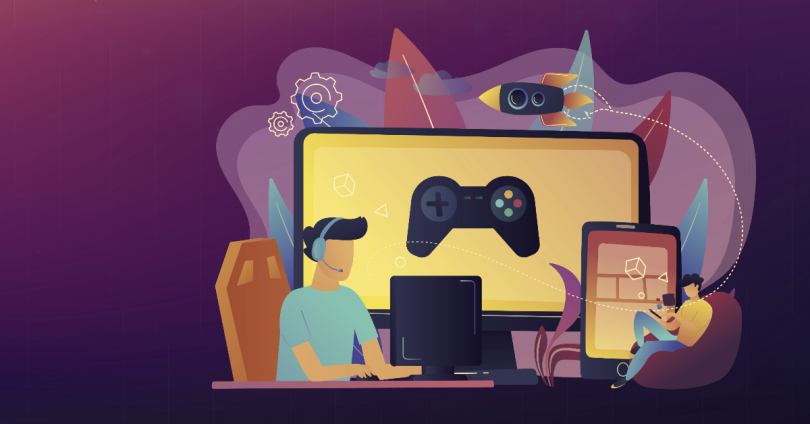

Digital entertainment is changing faster than ever, and the Situs Parlay Dewabet has become one of the biggest forces behind that transformation. What was once viewed mainly as a way to pass the time has developed into a broad entertainment experience that combines competition, storytelling, social interaction, creativity, and technology. Today, players are not simply looking for something to play for a few minutes. They want experiences that feel personal, exciting, and worth returning to.
Online Game Experiences Are Becoming More Social
Remember when playing a game usually meant sitting alone in front of a screen? That picture has changed dramatically. Modern gaming often feels more like a digital gathering place where people meet friends, communicate, compete, and share memorable moments.
Multiplayer features have made cooperation and competition central to the experience. Players can build teams with people they know or connect with strangers from different parts of the world. Voice chat, messaging systems, community events, and shared challenges make games feel less isolated.
For example, a group of friends might start a game after dinner and end up spending several hours completing missions together. The game itself becomes only part of the experience. The conversations, jokes, unexpected victories, and close matches become memories that keep people coming back.
Mobile Gaming Is Reaching More Players
Another major trend is the continued growth of gaming on smartphones and tablets. Mobile devices have removed many of the traditional barriers that once limited gaming to dedicated consoles or computers.
People can now play during a short break, while traveling, or while relaxing at home. Developers have responded by creating experiences designed around shorter sessions without sacrificing depth. Some mobile titles offer simple mechanics that are easy to learn, while others provide detailed worlds that can keep players engaged for months.
Why has this approach become so successful? Convenience is a major reason. Players do not always have an hour available. Sometimes they have ten minutes. Mobile gaming fits naturally into modern routines, giving entertainment a place almost anywhere.
Live Events Keep Digital Worlds Fresh
Traditional entertainment usually follows a predictable schedule. Games, however, can change continuously. Seasonal events, limited-time challenges, new characters, special rewards, and community competitions can transform the same digital world again and again.
This creates a feeling of anticipation. Players may return because they know something new is waiting for them.
Imagine opening a game and discovering that the environment has changed for a special event. New objectives appear, familiar characters have different roles, and players suddenly have a reason to explore areas they have visited many times before. That sense of discovery can make a digital world feel surprisingly alive.
Consequently, live-service design has become an important part of modern digital entertainment.
Cloud Technology Is Reducing Hardware Barriers
Gaming is also being influenced by improvements in internet infrastructure and cloud technology. Instead of relying entirely on powerful local hardware, some services allow demanding gaming experiences to be delivered through internet connections.
This development could make high-quality entertainment more accessible to people who do not own expensive gaming machines. Although performance still depends on connection quality and service availability, the direction is significant.
The broader idea is simple: entertainment is becoming less tied to a particular physical device. As connectivity improves, players can expect greater flexibility in how and where they access their favorite experiences.
User-Created Content Is Changing the Experience
One of the most interesting developments is the growing importance of player creativity. Many modern games allow users to build maps, customize characters, design challenges, create virtual spaces, or develop entirely new experiences within existing platforms.
This changes the relationship between creators and audiences. Players are no longer only consumers. They can also become designers, storytellers, and community leaders.
Consider a young player who begins by exploring a virtual world. After learning its building tools, that same person might create a small environment for friends. Over time, the project could attract a larger audience. The boundary between playing and creating becomes increasingly difficult to define.
Esports and Streaming Add New Entertainment Layers
Gaming has also expanded beyond the screen through esports and livestreaming. Competitive players can attract large audiences, while creators can turn their gaming sessions into entertainment for viewers.
A match is no longer experienced only by the people participating. Thousands or even millions of viewers may watch, discuss strategies, support their favorite competitors, and share reactions online.
Streaming has created another layer of personality around games. Viewers often return not simply because of the game, but because they enjoy the humor, skill, commentary, or personality of the person playing it.
Personalization Is Becoming More Important
Players increasingly expect entertainment to respond to their interests. Custom characters, flexible play styles, personalized challenges, recommendation systems, and changing content can make an experience feel more relevant.
This trend reflects a broader shift across digital entertainment. People want choices. They want to decide how they participate rather than follow exactly the same path as everyone else.
As a result, developers are paying greater attention to customization and player behavior when designing long-term experiences.
The Future of Digital Entertainment
The most important gaming trends are connected by one common idea: participation. People want more than passive entertainment. They want to interact, create, compete, communicate, and influence the experience around them.
From mobile platforms and social communities to live events, cloud technology, user-generated content, and esports, gaming continues to expand its role in everyday digital culture. The industry will undoubtedly keep changing as technology develops and player expectations evolve.
For players, that means the future should offer more ways to connect with digital worlds and with one another. If you enjoy discovering new experiences, exploring emerging platforms, and following the latest developments in gaming, now is an excellent time to explore what the next generation of digital entertainment has to offer.